
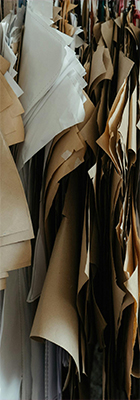
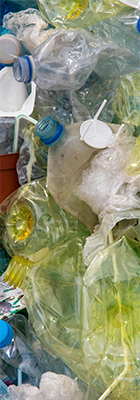
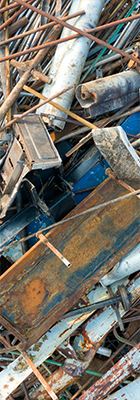
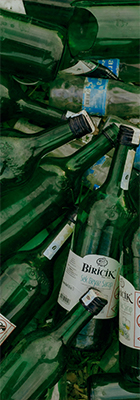
Waste paper, waste plastics, scrap metals, waste glass, waste textiles

Industries
Two Business Sectors Municipal Solid Waste and Resource RecoveryCity-Wide Solutions
Covering household waste, construction & demolition waste, organic waste, plastic recycling, and incineration bottom ash recovery.Lithium Battery, Solar Panel & Metal Recycling
Full-lifecycle resource recovery for new energy recycling, e-waste, and secondary metals.Products
Six Product Lines The intelligent foundation for perception, execution, and decision-makingMultimodal Perception & Precision Execution AI Agents
A software-hardware integrated platform combining atomic-level perception with micron-level execution.Intelligent Arteries of Material Flow
Integrated intelligent pipeline and dynamic conveying systems that make every material movement transparent and traceable.The Tactile Sense and Brain of Material Flow
A full-scenario digital gateway, business intelligence center, and swarm intelligence scheduling platform.Embodied Execution AI Agents
Intelligent crushing, flexible mobile sorting, and robotic execution platforms.The Cornerstone of Mechanical Sorting
Software-defined standardized mechanical sorting units supporting high-throughput physical separation.The Neural System of Industrial Intelligent Control
Next-generation industrial intelligent control and edge computing platform.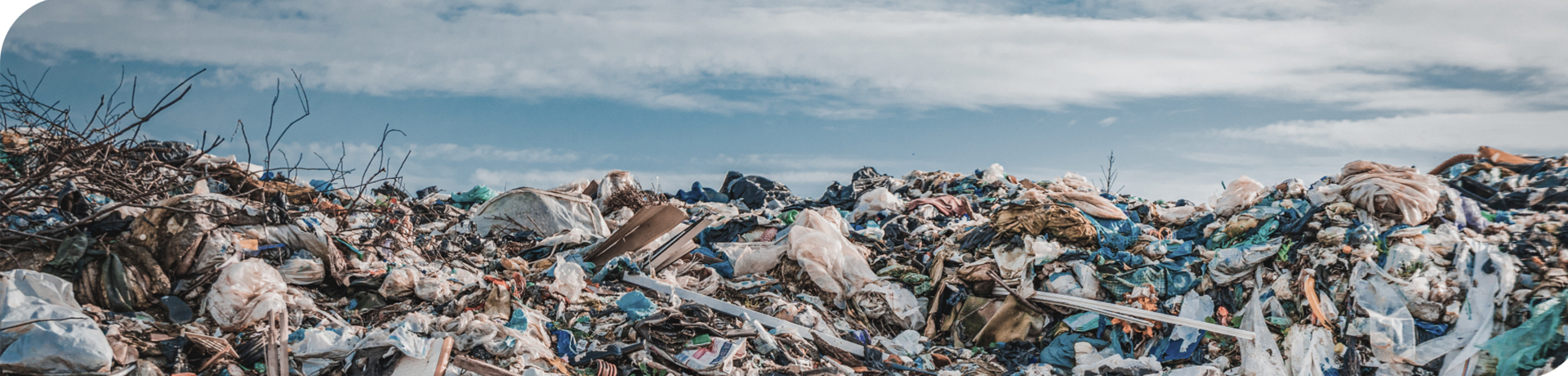
Municipal Solid Waste / MRF
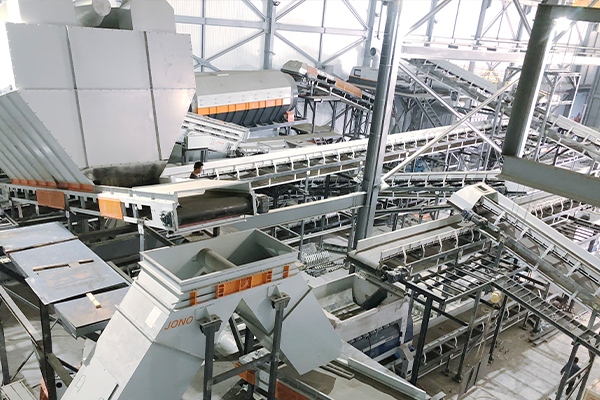
Municipal Solid Waste (MSW) refers to mixed waste generated daily by households, commercial establishments, and public facilities. A household waste MRF plant is an intelligent sorting center that integrates AI visual recognition, hyperspectral NIR sensing, and robotics technology to achieve fully automated sorting of mixed waste, producing high-purity recyclables (PET/HDPE/paper/metals), high-calorific-value alternative fuel (SRF/RDF), and organic matter. Through data-driven monitoring, sorting strategies are optimized to maximize resource recovery rates while lowering operational costs. As a "reverse logistics system," it combines mechanical, biological, and chemical methods to transform mixed waste into bio-fertilizer, recycled plastic pellets, and Solid Recovered Fuel (SRF), achieving efficient resource reuse.
SOLUTION
Leveraging intelligent sorting technology, we overcome three major challenges — complex composition, low manual efficiency, and resource waste — achieving a landfill diversion rate exceeding 60%. The AI vision system performs 24/7 automated sorting, producing high-purity recycled resources such as plastics and metals while reducing labor costs by 40%. The smart monitoring platform tracks recovery data in real time, helping cities boost waste recovery rates to 45%, reducing annual greenhouse gas emissions by over 100,000 tons, and delivering a dual-benefit solution of environmental compliance and circular economy advancement for governments and enterprises.
INPUT & OUTPUT
Waste paper, waste plastics, scrap metals, waste glass, waste textiles
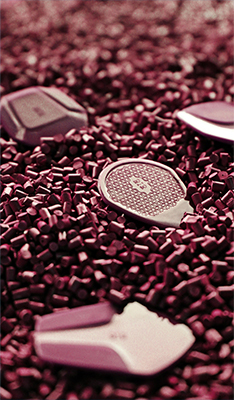
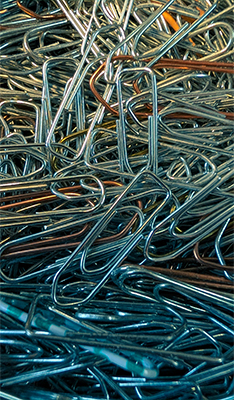
Recycled plastics, paper, metals

CORE TECHNOLOGY
Utilizes aerodynamic principles to separate lightweight materials (plastics, paper, textiles) from heavyweight materials (stones, kitchen waste, glass).
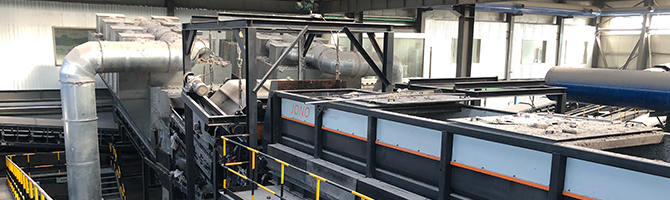
The AI vision module captures material images via high-resolution cameras, uses deep learning algorithms to identify specific targets in real time, and directs high-speed robots to perform precise picking and placement.
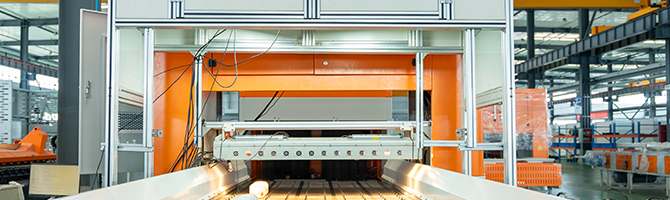
ADVANTAGES
Equipment has low spatial requirements and employs a modular layout, maximizing site space utilization and adapting to diverse site conditions.
Employs a combination of "mechanical sorting + biological treatment" and other processes, delivering targeted precision against different components of mixed waste to achieve full-quantity processing.
Incorporates AI vision sorting robots, remote O&M, and digital twin technology to achieve unmanned or minimally manned operations, precisely monitor parameters, and enhance operational efficiency.
PROJECT CASES
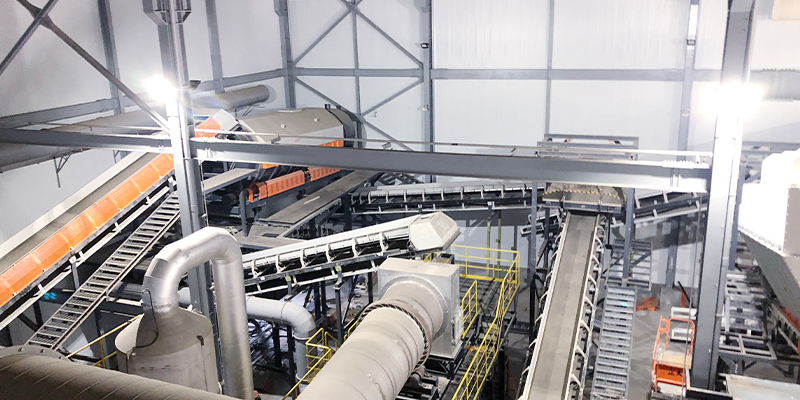
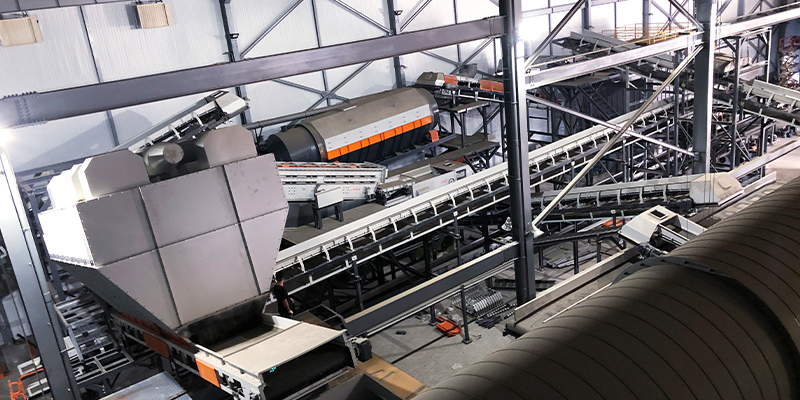
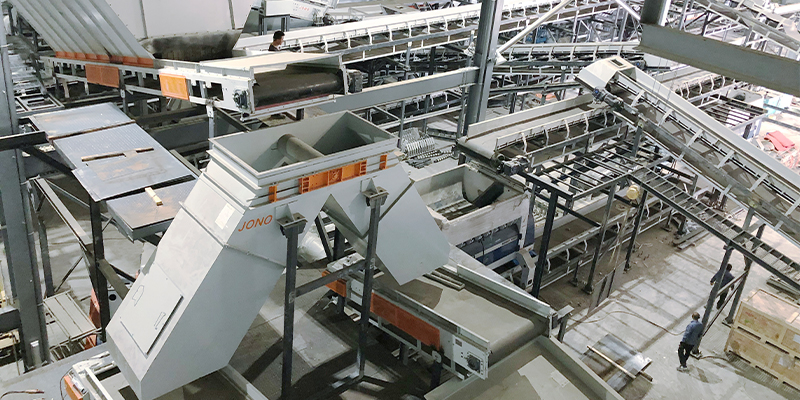
The Singapore waste processing project occupies 1 hectare, processes 600 tons of mixed waste per day, and represents an investment of 400-500 million yuan. The process flow is: front-end sorting to recover plastics/metals -> bio-drying (moisture content <30%) -> back-end sorting to remove inert materials and classify fuel. Supporting odor control, dust removal, and wastewater treatment systems are included to ensure environmental compliance.
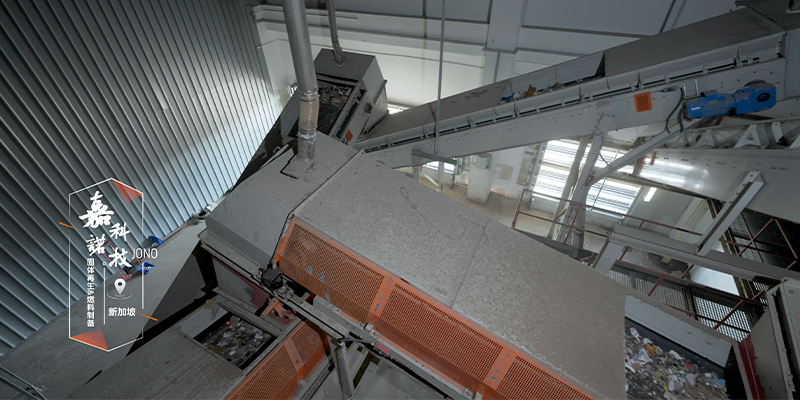
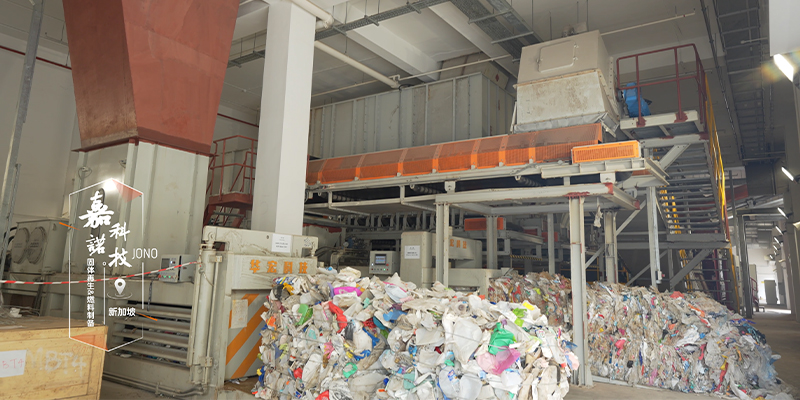
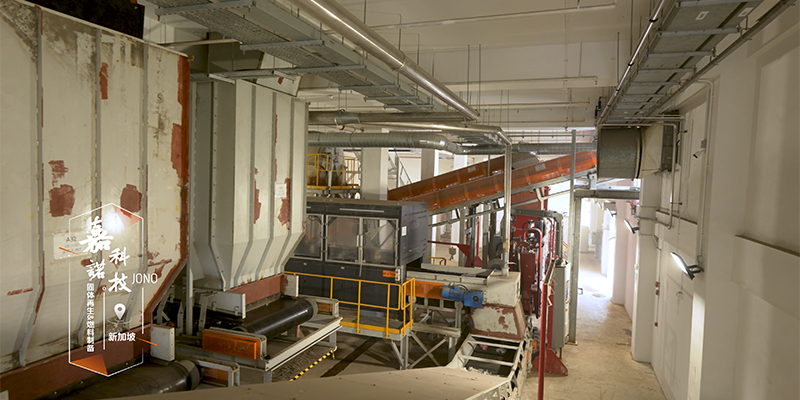
This project's pre-sorting system has a single-line processing capacity of 50 tons per hour. The process objective is to separate underscreen material (primarily organic matter) from municipal solid waste components for composting treatment, recover metals (for external sale), combustible materials (for incineration), and plastic bags and other materials, achieving a certain level of resource recovery while improving the calorific value of furnace input material to some extent.
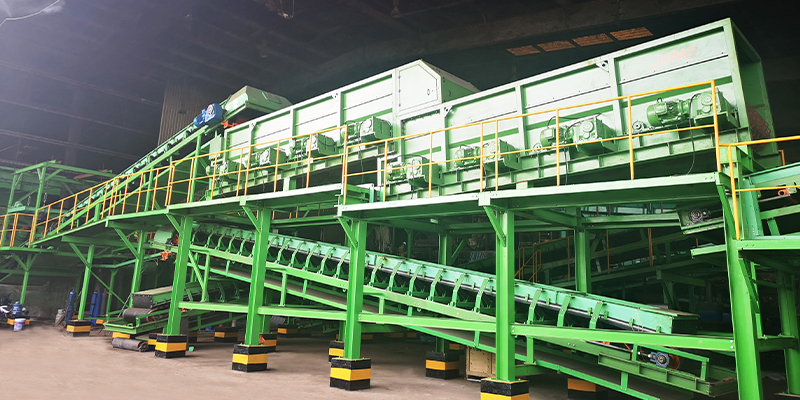
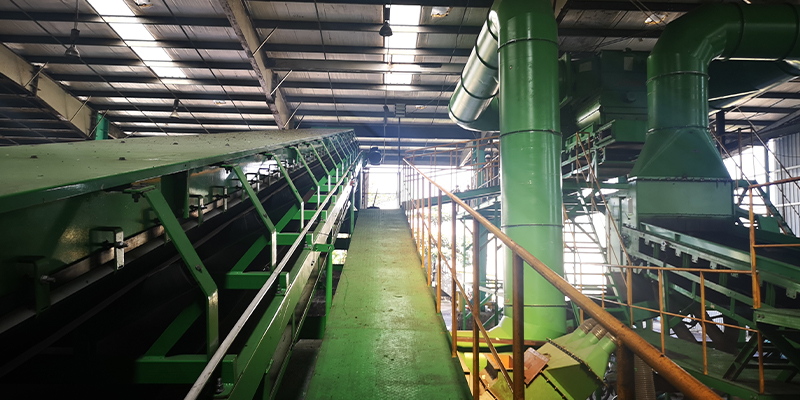
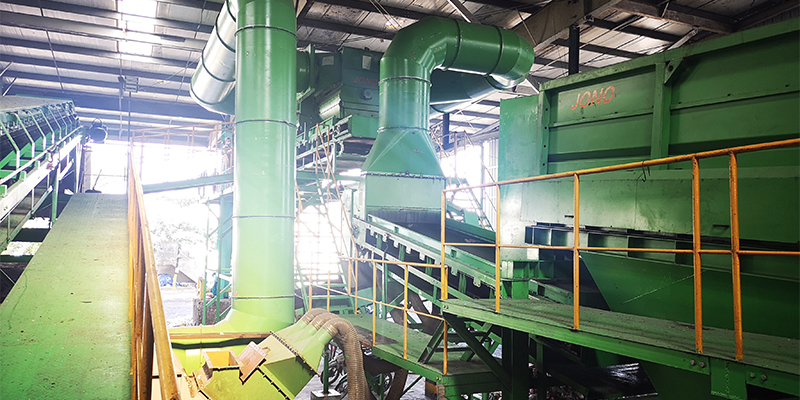
The project occupies 1.5 hectares with a total investment of 400 million yuan, processing 300 tons of mixed waste per day. It adopts a "crushing + multi-stage sorting + drying + fine crushing" process. Through mechanical sorting and optical technology, metals, inorganics, and PVC are separated. After drying to reduce moisture, combustible materials are sorted and ultimately processed into SRF fuel. Output materials include ferromagnetic metals, non-ferrous metals, inert materials, PVC, fine sand, low-value combustibles, and finished SRF, which are transported to power plants for incineration or sold externally.
Municipal Solid Waste
 Municipal Solid Waste
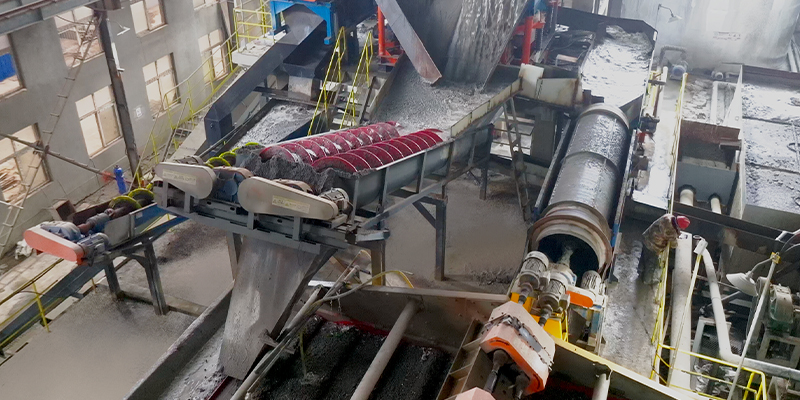
 Covering multiple benchmark projects across the resource recovery industry, showcasing NextPrism Tech Corporation's project practices and delivery achievements in municipal solid waste resource recovery scenarios.
 Municipal Solid Waste
 Waste textile recycling is a critical initiative for advancing green development. From an environmental perspective, it effectively reduces pollution from landfill and incineration, lowers resource consumption and carbon emissions, and supports ecological conservation. From an economic perspective, it enables the circular utilization of waste resources, reduces raw material costs, and fosters new industrial chains and jobs. The industry still faces many challenges, especially in the "pre-processing and...
 Municipal Solid Waste
 Bottom ash is a byproduct of household waste incineration, accounting for approximately 20%-30% of total waste volume. It primarily consists of glass, slag, ceramic and brick fragments, stones, iron, and other metals. Without proper treatment, it will inevitably cause secondary environmental pollution.