MUNICIPAL-SOLID-WASTE
Municipal Solid Waste
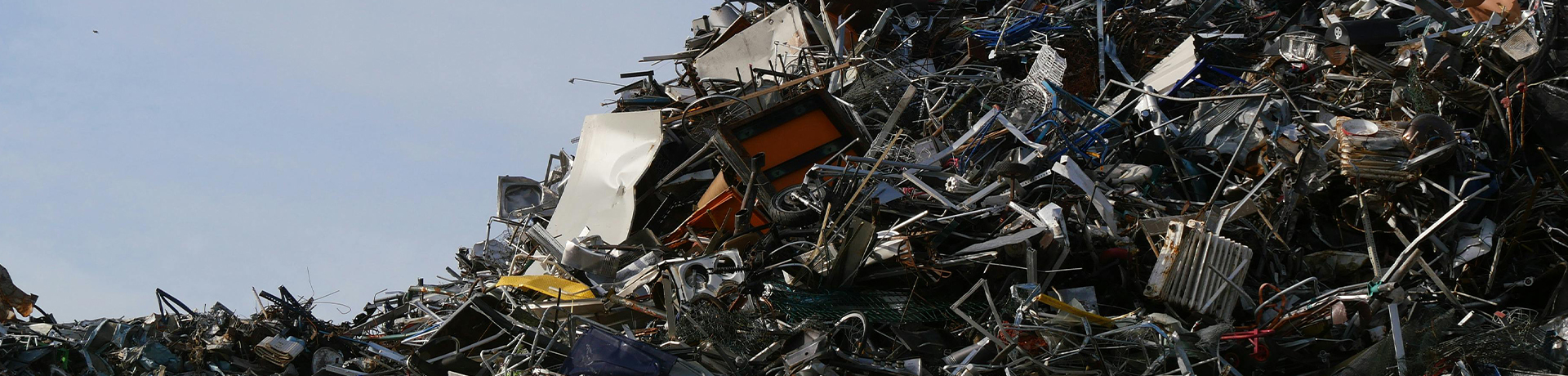
Covering household waste, construction & demolition waste, organic waste, plastic recycling, and incineration bottom ash recovery.
 Municipal Solid Waste
 Customer Cases
Covering multiple benchmark projects across the resource recovery industry, showcasing NextPrism Tech Corporation's project practices and delivery achievements in municipal solid waste valorization scenarios.
 Municipal Solid Waste
 Construction & Demolition (C&D) Waste
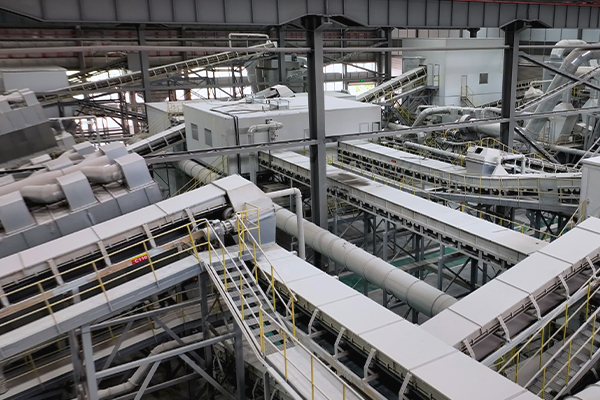
C&D waste is the solid waste generated during construction, demolition, and renovation activities. Based on source and composition, it falls into three main categories:
 Municipal Solid Waste
 Incineration Bottom Ash Treatment
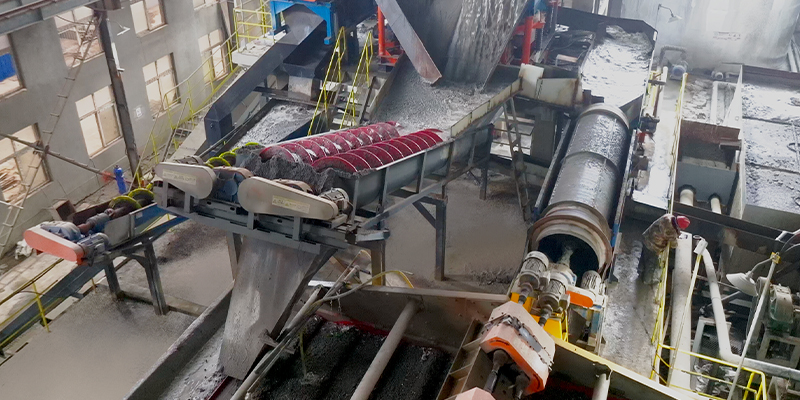
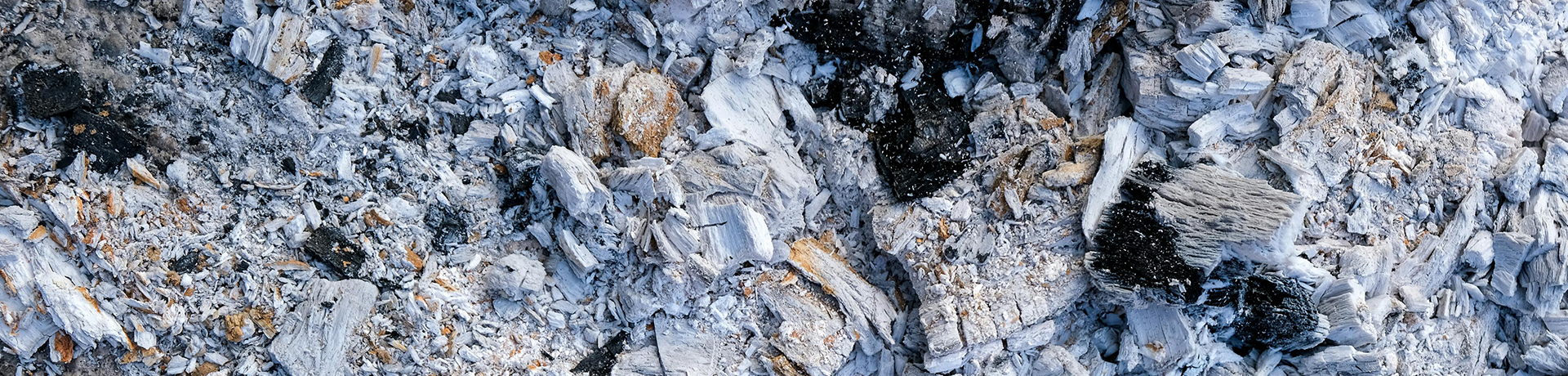
Incineration bottom ash (IBA) is a by-product of household waste incineration, accounting for approximately 20% to 30% of the total waste mass. It consists primarily of glass, slag, ceramic and brick fragments, stones, iron, and other metals. Without proper treatment, IBA inevitably causes secondary environmental pollution.
 Municipal Solid Waste
 Material Recovery Facility (MRF)
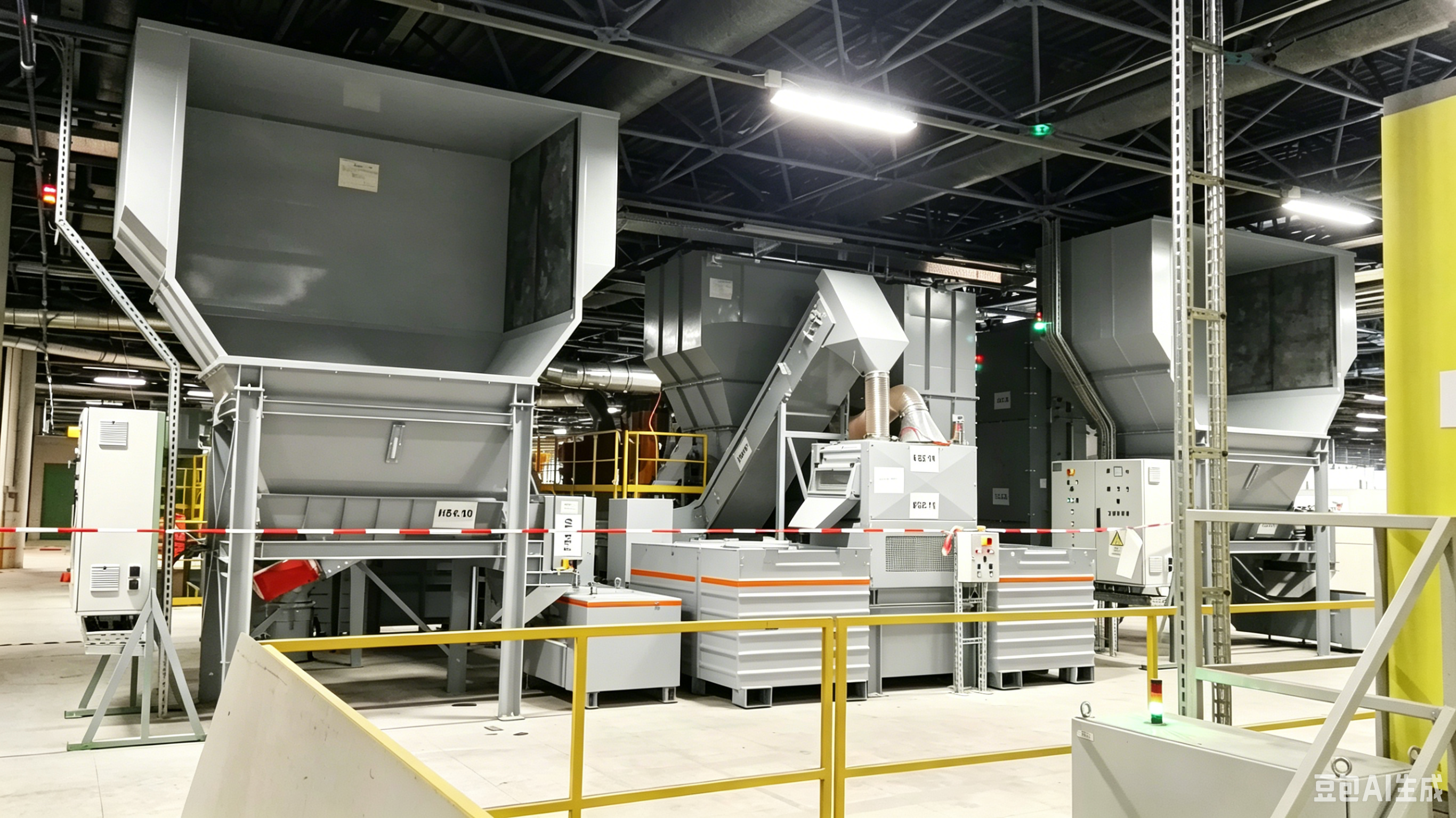
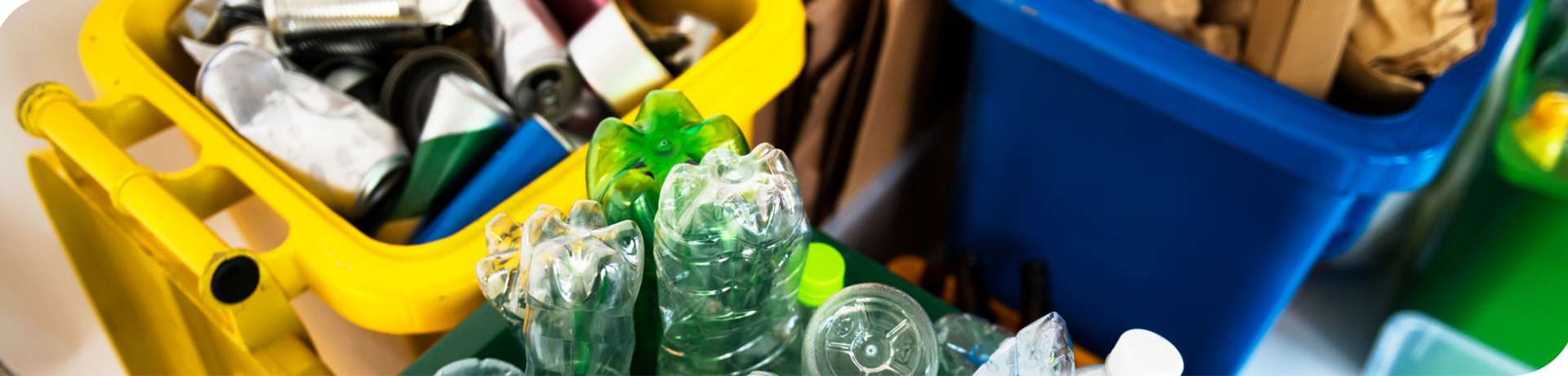
Municipal Solid Waste (MSW) refers to mixed waste generated daily by households, commercial establishments, and public facilities. A Household Waste MRF plant is an intelligent sorting center that integrates AI vision recognition, hyperspectral near-infrared (NIR) sensing, and robotic technology to achieve fully automated sorting of mixed waste, producing high-purity recyclables (PET/HDPE/paper/metals), high-calorific-value alternative fuel (...
 Municipal Solid Waste
 Mixed Recyclables
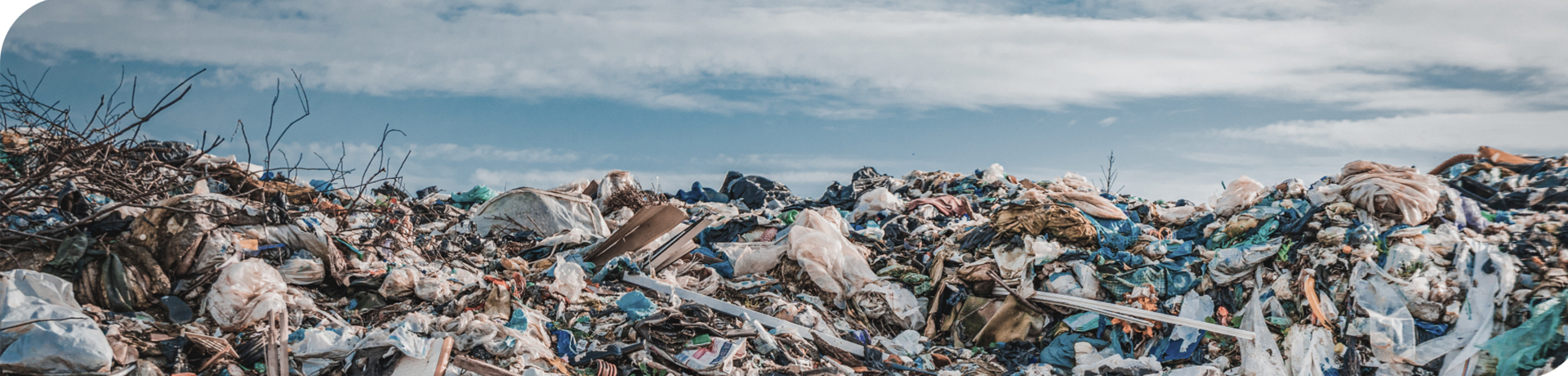
The recyclables industry faces challenges including insufficient standardization, difficult oversight, lagging digitalization, and inefficient data management. Traditional vendor-based collection models have produced a fragmented, informal sector with poor working conditions, obstructed material flows, and safety hazards from corridor stockpiling. Heavy reliance on manual sorting due to complex material streams limits throughput and leads to significant resource waste.
 Municipal Solid Waste
 Organic Waste
Food waste refers to food residues, food processing scraps, expired food products, and waste cooking oils generated by food service establishments during food production and business operations.
 Municipal Solid Waste
 Plastic Recycling
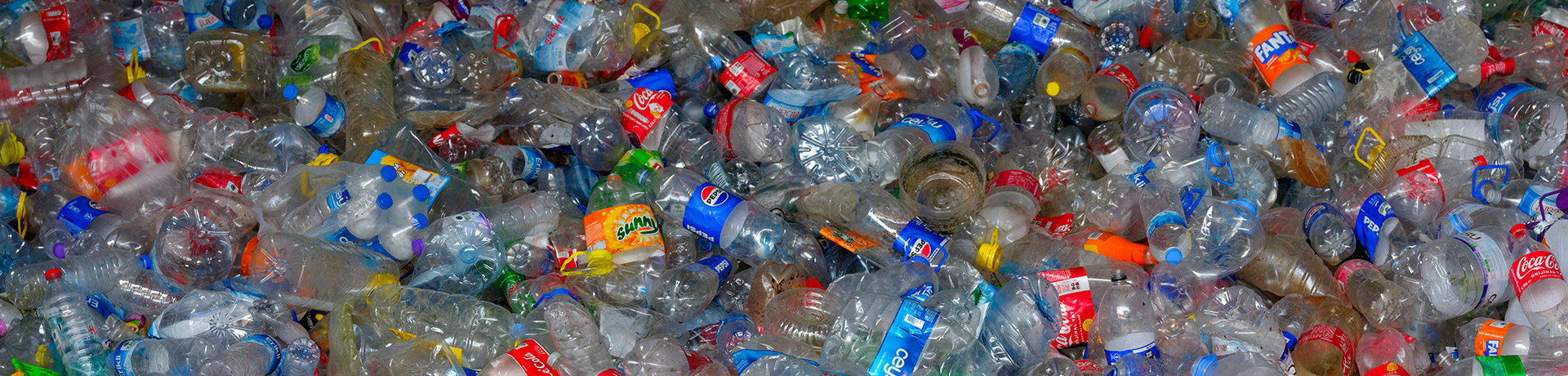
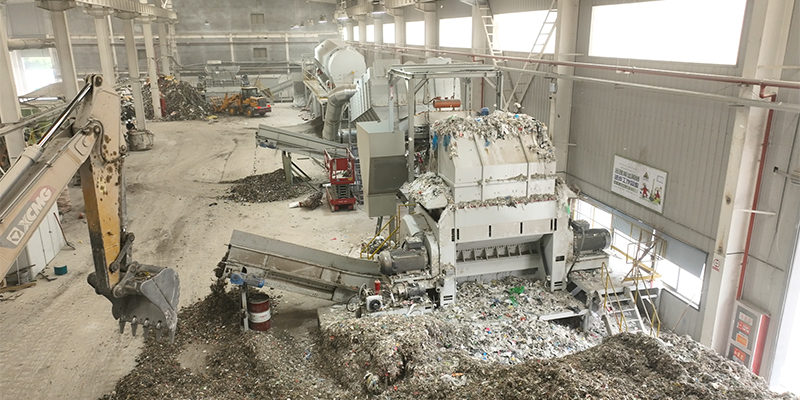
Plastic recycling is a critical measure in addressing global environmental challenges. It not only reduces ocean pollution and protects soil health but also significantly lowers carbon emissions. Economically, it drives efficient resource utilization and cost reduction across the industry. We are committed to continuously enhancing the recovery value and circular quality of plastics through innovative recycling solutions, achieving maximum material utilization and closed-loop circulation.
 Municipal Solid Waste
 Solid Recovered Fuel (SRF)
Company Positioning: Full-Process Closed-Loop SRF/RDF Solid Recovered Fuel Solution Provider
 Municipal Solid Waste
 Waste Textiles Processing Solution
Waste textile recycling is a key initiative for advancing green development. From an environmental perspective, it effectively reduces pollution from landfilling and incineration, lowers resource consumption and carbon emissions, and supports ecological protection. From an economic perspective, it enables the circular utilization of waste resources, reduces raw material costs, and cultivates new industrial chains and employment opportunities. The industry still faces many challenges, particularly in "pretreatment and...