
Household waste incineration bottom ash material
Industries
Two Business Sectors Municipal Solid Waste and Resource RecoveryCity-Wide Solutions
Covering household waste, construction & demolition waste, organic waste, plastic recycling, and incineration bottom ash recovery.Lithium Battery, Solar Panel & Metal Recycling
Full-lifecycle resource recovery for new energy recycling, e-waste, and secondary metals.Products
Six Product Lines The intelligent foundation for perception, execution, and decision-makingMultimodal Perception & Precision Execution AI Agents
A software-hardware integrated platform combining atomic-level perception with micron-level execution.Intelligent Arteries of Material Flow
Integrated intelligent pipeline and dynamic conveying systems that make every material movement transparent and traceable.The Tactile Sense and Brain of Material Flow
A full-scenario digital gateway, business intelligence center, and swarm intelligence scheduling platform.Embodied Execution AI Agents
Intelligent crushing, flexible mobile sorting, and robotic execution platforms.The Cornerstone of Mechanical Sorting
Software-defined standardized mechanical sorting units supporting high-throughput physical separation.The Neural System of Industrial Intelligent Control
Next-generation industrial intelligent control and edge computing platform.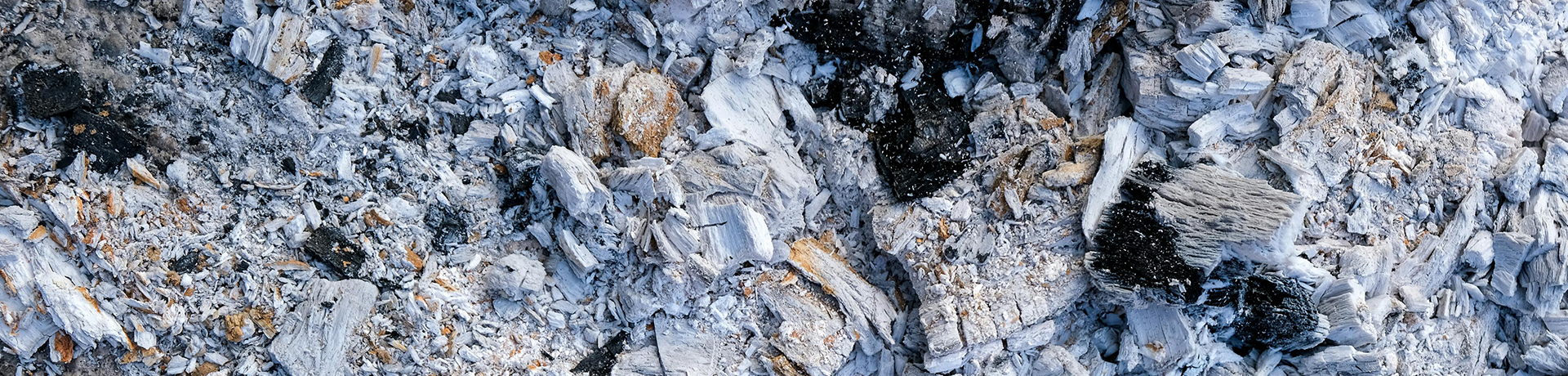
Municipal Solid Waste / Incineration Bottom Ash
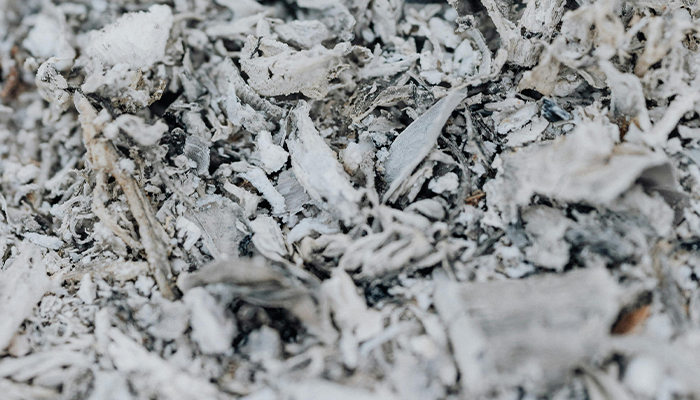
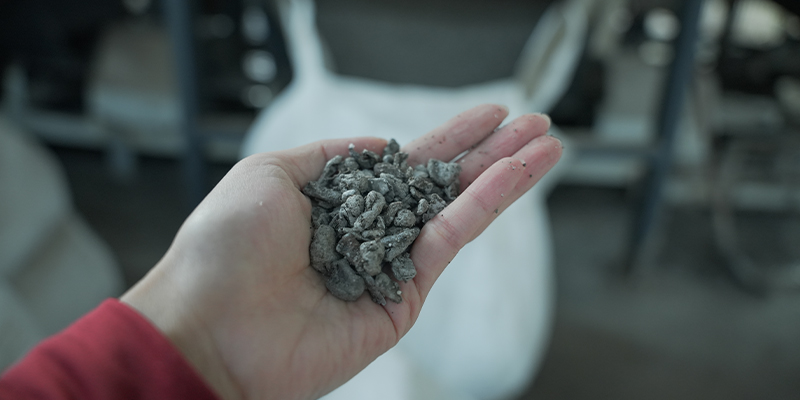
Bottom ash is a byproduct of household waste incineration, accounting for approximately 20%-30% of total waste volume. It primarily consists of glass, slag, ceramic and brick fragments, stones, iron, and other metals. Without proper treatment, it will inevitably cause secondary environmental pollution.
SOLUTION
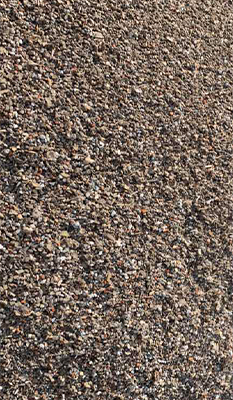
The chemical and physical properties of bottom ash aggregate produced from incineration bottom ash are similar to those of natural aggregate or blended materials used in the cement industry. Circular economy projects that utilize bottom ash for brick making, cement raw material, road base aggregate, and other applications meet environmental requirements while maximizing the utilization of this "discarded" resource.
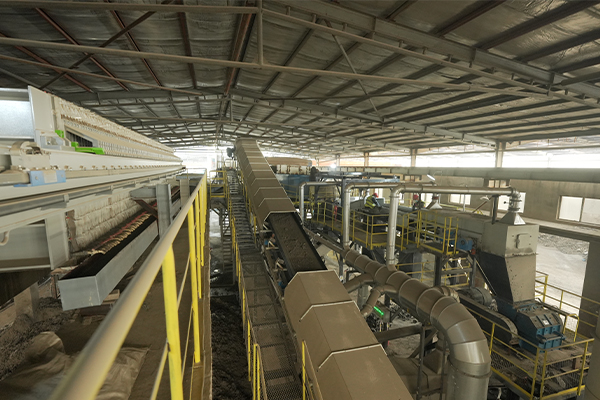
Our equipment supports fully automated operation with fault alarm functionality, designed to reduce reliance on manual attendance and enhance management efficiency. The full-chain services it provides — including solution design, installation and commissioning, and O&M training — constitute a complete commercial solution.
INPUT & OUTPUT
Household waste incineration bottom ash material
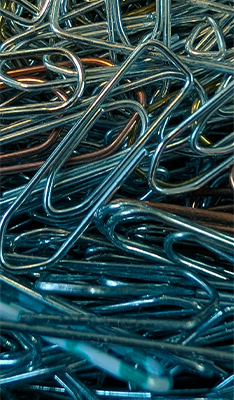
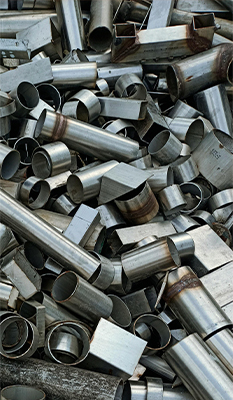
Recycled bottom ash aggregate, metals, unburned residues, filter cake
CORE TECHNOLOGY
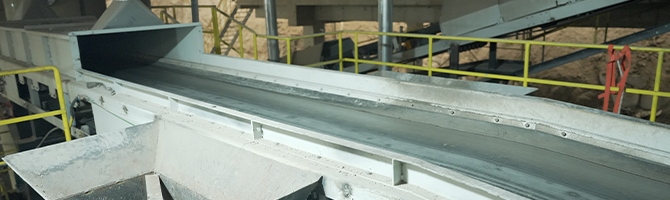
Recovers aluminum metal to improve overall recovery rates. When material passes through an alternating magnetic field at a certain speed, induced eddy currents are generated in non-magnetic conductive metal particles. The relative motion between the material stream and the magnetic field creates a thrust force on the metal flakes and pieces in which eddy currents are induced. This principle enables the separation of certain non-ferrous metals from mixed material streams.

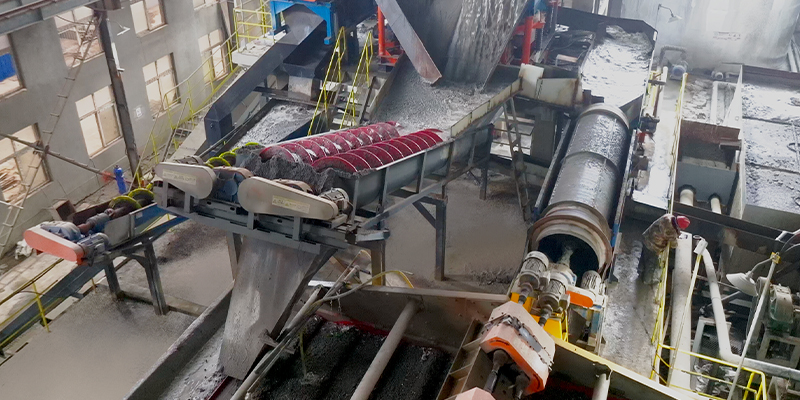
Separation is achieved using water as a medium based on density differences: jigs use water as the separation medium, exploiting the specific gravity difference between bottom ash metals and bottom ash material to separate non-ferrous metals from non-metallic materials. Shaking table separation, under the combined effects of gravity, lateral water flow impulse force, and the inertia and friction generated by the reciprocating asymmetric motion of the table surface, stratifies and separates materials by specific gravity and particle size, enabling fine separation of fine-grained metals.
ADVANTAGES
Through a series of processing techniques including screening, magnetic separation, crushing, and flotation, unburned residues and various valuable metals (such as iron, aluminum, copper, and stainless steel) are separated from the bottom ash, achieving high metal recovery rates and strong economic returns. The bottom ash is also processed into graded recycled aggregate for comprehensive utilization.
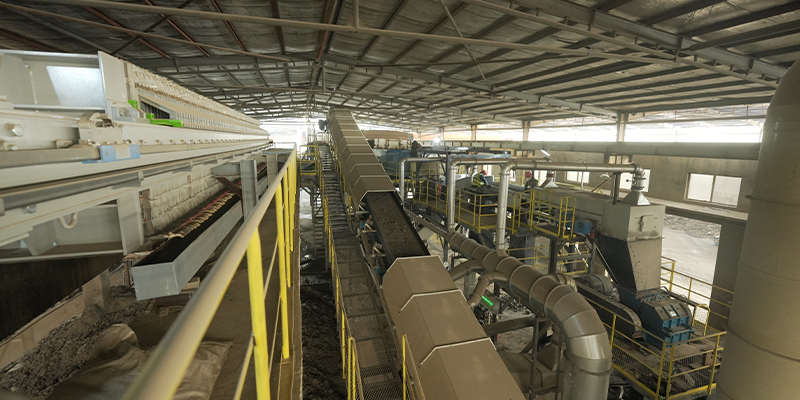
Production wastewater is recycled in a closed loop for "zero discharge," preventing secondary environmental pollution. Slurry-laden water undergoes sedimentation in settling tanks and dewatering via plate-and-frame filter presses; the filter cake is transported off-site or reused in brick making, while the supernatant is recycled for reuse, achieving water conservation and zero discharge.
PROJECT CASES
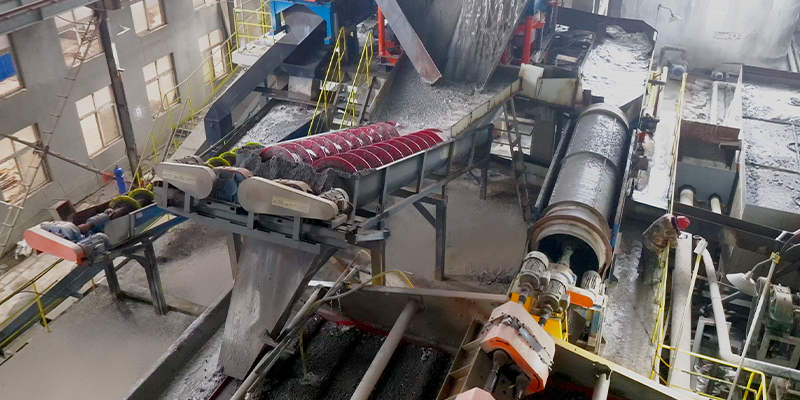
The Liaoning household waste incineration plant bottom ash comprehensive utilization project was commissioned in 2024 with a designed capacity of 500 t/d, processing bottom ash generated by household waste incineration power plants. This project primarily uses physical methods (including particle size screening, magnetic separation, flotation, and eddy current separation) to re-process incinerator bottom ash from the power plant, separating out iron, aluminum metal, and small amounts of non-magnetic metals (such as copper) while also producing recycled construction aggregate. The separated metal materials are sold externally to recycling enterprises for reuse; coarse and fine aggregate is sold to brick-making plants or construction material manufacturers for reuse.
Municipal Solid Waste
 Municipal Solid Waste
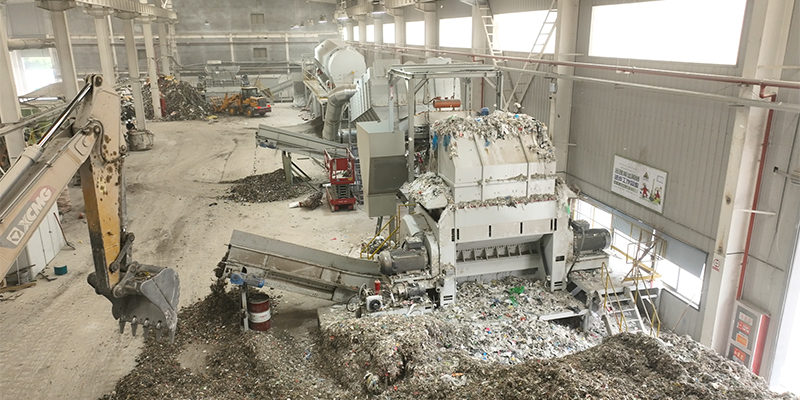
 Covering multiple benchmark projects across the resource recovery industry, showcasing NextPrism Tech Corporation's project practices and delivery achievements in municipal solid waste resource recovery scenarios.
 Municipal Solid Waste
 Waste textile recycling is a critical initiative for advancing green development. From an environmental perspective, it effectively reduces pollution from landfill and incineration, lowers resource consumption and carbon emissions, and supports ecological conservation. From an economic perspective, it enables the circular utilization of waste resources, reduces raw material costs, and fosters new industrial chains and jobs. The industry still faces many challenges, especially in the "pre-processing and...
 Municipal Solid Waste
 Company positioning: Full-process closed-loop SRF/RDF solid recovered fuel solution provider