Suzhou Wujiang C&D Waste Treatment Project
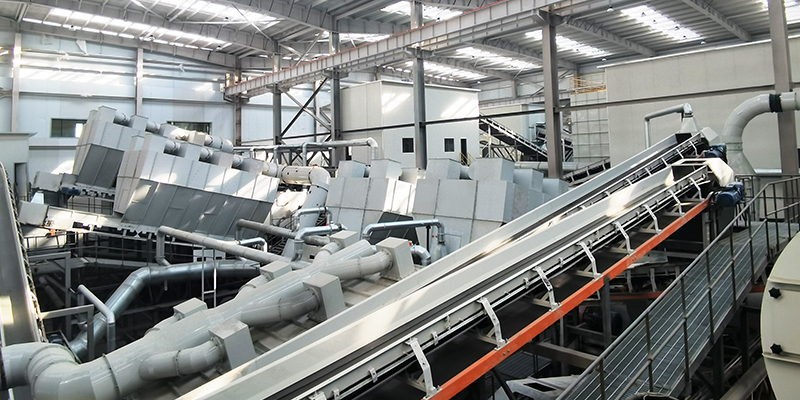
This project designs its solution based on composition surveys of local renovation and demolition waste. It deploys proven, stable processes and intelligent equipment including screening devices, sorting devices, intelligent sorting robots, and optical sorters, utilizing technologies such as physical screening, density separation, image recognition, optical recognition, and AI learning. The finished product storage and discharge system uses automatic material distribution and automatic discharge and loading systems to avoid dust from secondary transfer, reduce operating costs, and improve operational efficiency.
Case Overview
This project designs its solution based on composition surveys of local renovation and demolition waste. It deploys proven, stable processes and intelligent equipment including screening devices, sorting devices, intelligent sorting robots, and optical sorters, utilizing technologies such as physical screening, density separation, image recognition, optical recognition, and AI learning. The finished product storage and discharge system uses automatic material distribution and automatic discharge and loading systems to avoid dust from secondary transfer, reduce operating costs, and improve operational efficiency.
Project Parameters
| Dimension | Details |
|---|---|
| Scenario | Construction & Demolition (C&D) Waste |
| Location | Jiangsu Province |
| Capacity | 2000 t/d |
Project Background and Treatment Objectives
The Suzhou Wujiang C&D Waste Treatment Project falls under the Construction & Demolition (C&D) Waste scenario in Jiangsu Province, with a processing capacity of 2000 t/d.
This project designs its solution based on composition surveys of local renovation and demolition waste. It deploys proven, stable processes and intelligent equipment including screening devices, sorting devices, intelligent sorting robots, and optical sorters, utilizing technologies such as physical screening, density separation, image recognition, optical recognition, and AI learning. The finished product storage and discharge system uses automatic material distribution and automatic discharge and loading systems to avoid dust from secondary transfer, reduce operating costs, and improve operational efficiency.
Process Route and System Configuration
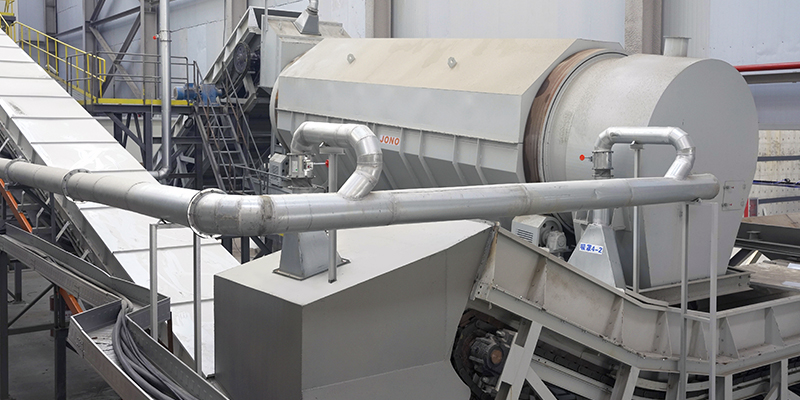
Centered on the project’s treatment objectives, the solution focuses on process organization, core equipment coordination, and material sorting pathways, forming a stable treatment and resource recovery process.
This project designs its solution based on composition surveys of local renovation and demolition waste. It deploys proven, stable processes and intelligent equipment including screening devices, sorting devices, intelligent sorting robots, and optical sorters, utilizing technologies such as physical screening, density separation, image recognition, optical recognition, and AI learning.
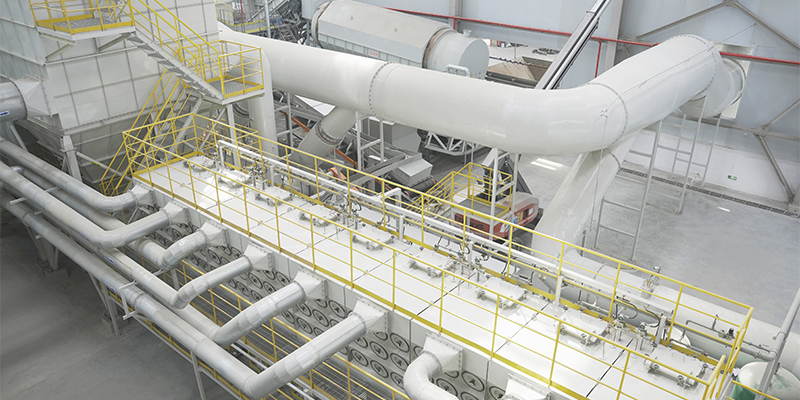
The finished product storage and discharge system uses automatic material distribution and automatic discharge and loading systems to avoid dust from secondary transfer, reduce operating costs, and improve operational efficiency.
Sorted Output and Resource Recovery Value
The project’s value is reflected in material resource recovery, final output materials, environmental compliance, and operational efficiency.
This project designs its solution based on composition surveys of local renovation and demolition waste. It deploys proven, stable processes and intelligent equipment including screening devices, sorting devices, intelligent sorting robots, and optical sorters, utilizing technologies such as physical screening, density separation, image recognition, optical recognition, and AI learning.
The finished product storage and discharge system uses automatic material distribution and automatic discharge and loading systems to avoid dust from secondary transfer, reduce operating costs, and improve operational efficiency.