Hefei Kitchen Waste Treatment Project
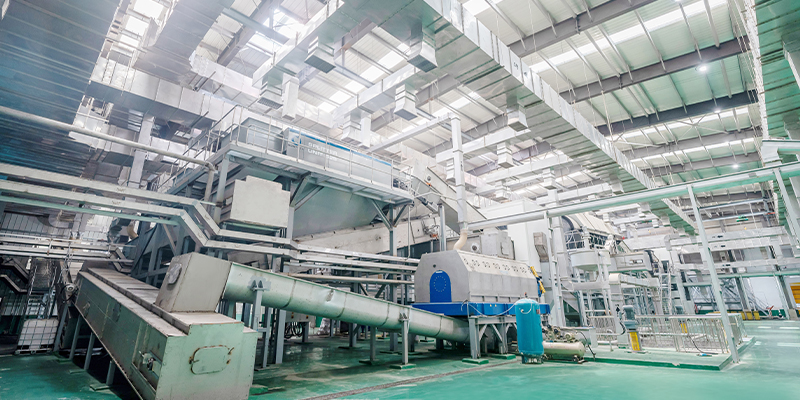
The Hefei Xiaomiao Kitchen Waste Treatment Project began construction in 2020 and has now entered the commissioning phase. Designed with a treatment capacity of 400 t/d, the plant includes food waste pretreatment, kitchen waste pretreatment, dry anaerobic digestion, wet anaerobic digestion, wastewater treatment, biogas purification, and biogas power generation systems. The kitchen waste pretreatment process employs "bag breaking + two-stage screening + magnetic separation + extrusion" to remove impurities...
Case Overview
The Hefei Xiaomiao Kitchen Waste Treatment Project began construction in 2020 and has now entered the commissioning phase. Designed with a treatment capacity of 400 t/d, the plant includes food waste pretreatment, kitchen waste pretreatment, dry anaerobic digestion, wet anaerobic digestion, wastewater treatment, biogas purification, and biogas power generation systems. The kitchen waste pretreatment process employs “bag breaking + two-stage screening + magnetic separation + extrusion” to remove impurities; the resulting organic fraction enters the dry anaerobic digestion system, while the liquid phase undergoes sand and impurity removal before entering the wet anaerobic digestion system. The biogas produced by the anaerobic system is fed into the boiler system for heat generation or used for biogas power generation…
Project Parameters
| Dimension | Content |
|---|---|
| Scenario | Organic Waste |
| Location | Anhui |
| Capacity | 400 t/d |
Project Background and Treatment Objectives
The Hefei Kitchen Waste Treatment Project falls under the Organic Waste scenario, located in Anhui with a treatment capacity of 400 t/d.
The Hefei Xiaomiao Kitchen Waste Treatment Project began construction in 2020 and has now entered the commissioning phase. Designed with a treatment capacity of 400 t/d, the plant includes food waste pretreatment, kitchen waste pretreatment, dry anaerobic digestion, wet anaerobic digestion, wastewater treatment, biogas purification, and biogas power generation systems.
The kitchen waste pretreatment process employs “bag breaking + two-stage screening + magnetic separation + extrusion” to remove impurities; the resulting organic fraction enters the dry anaerobic digestion system, while the liquid phase undergoes sand and impurity removal before entering the wet anaerobic digestion system. The biogas produced by the anaerobic system is fed into the boiler system for heat generation or used for biogas power generation with grid connection.
The digestate dewatered from the anaerobic system is combined with impurities screened from the sorting workshop and transported off-site for incineration disposal.
Process Route and System Configuration
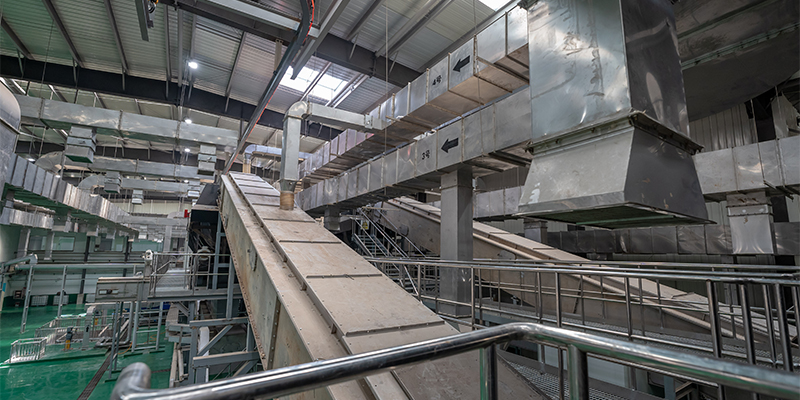
Centered on the project’s treatment objectives, the solution focuses on process organization, core equipment coordination, and material sorting pathways to establish a stable treatment and resource recovery process.
Designed with a treatment capacity of 400 t/d, the plant includes food waste pretreatment, kitchen waste pretreatment, dry anaerobic digestion, wet anaerobic digestion, wastewater treatment, biogas purification, and biogas power generation systems.
The kitchen waste pretreatment process employs “bag breaking + two-stage screening + magnetic separation + extrusion” to remove impurities; the resulting organic fraction enters the dry anaerobic digestion system, while the liquid phase undergoes sand and impurity removal before entering the wet anaerobic digestion system.
The biogas produced by the anaerobic system is fed into the boiler system for heat generation or used for biogas power generation with grid connection.
The digestate dewatered from the anaerobic system is combined with impurities screened from the sorting workshop and transported off-site for incineration disposal.
Sorted Output and Resource Recovery Value
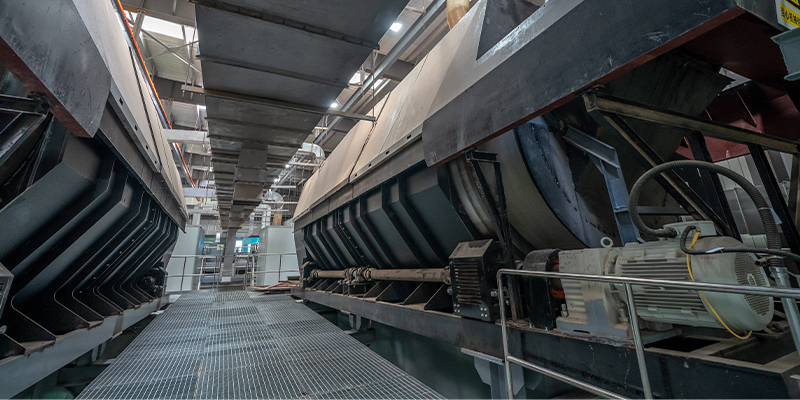
The project’s value is reflected in material resource recovery, final output materials, environmental compliance, and operational efficiency.
The Hefei Xiaomiao Kitchen Waste Treatment Project began construction in 2020 and has now entered the commissioning phase.
Designed with a treatment capacity of 400 t/d, the plant includes food waste pretreatment, kitchen waste pretreatment, dry anaerobic digestion, wet anaerobic digestion, wastewater treatment, biogas purification, and biogas power generation systems.
The kitchen waste pretreatment process employs “bag breaking + two-stage screening + magnetic separation + extrusion” to remove impurities; the resulting organic fraction enters the dry anaerobic digestion system, while the liquid phase undergoes sand and impurity removal before entering the wet anaerobic digestion system.
The biogas produced by the anaerobic system is fed into the boiler system for heat generation or used for biogas power generation with grid connection.
The digestate dewatered from the anaerobic system is combined with impurities screened from the sorting workshop and transported off-site for incineration disposal.